
Booking Islington removals for narrow access properties
Posted on 24/06/2026
Moving house in Islington is rarely a straight-line job. If you live in a top-floor flat, a converted terrace, or a property tucked behind a tight mews-style entrance, the access can be the real challenge. Booking Islington removals for narrow access properties is less about simply hiring a van and more about choosing a team that can work safely, calmly, and with the right kit for the space you actually have. That matters a lot when the hallway is awkward, the stairwell bends at the worst possible angle, or the only parking option is a squeeze down a busy road.
This guide breaks down how narrow-access moves work, what to check before you book, and how to avoid the usual headaches. You will also find practical examples, a comparison table, a step-by-step plan, and a checklist you can use before moving day. If you are weighing up options, it may also help to browse the full range of removal services and the more specific flat removals support in Islington before you make a decision.
Why Booking Islington removals for narrow access properties Matters
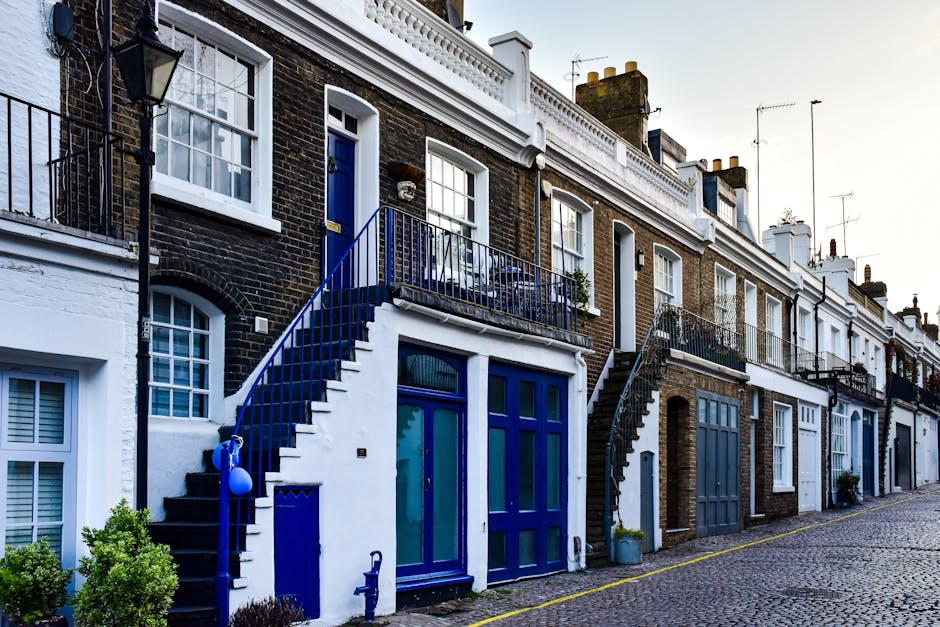
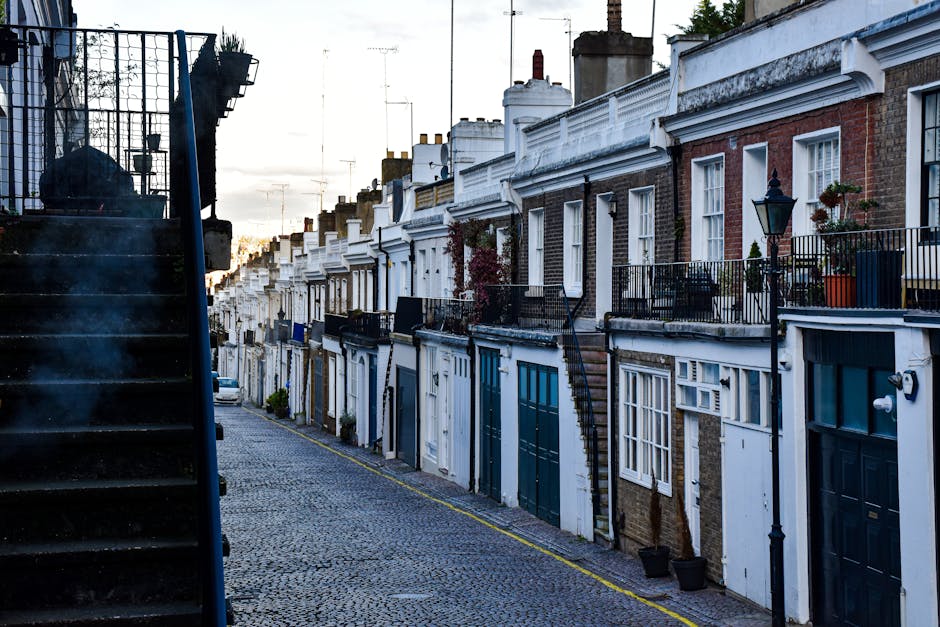
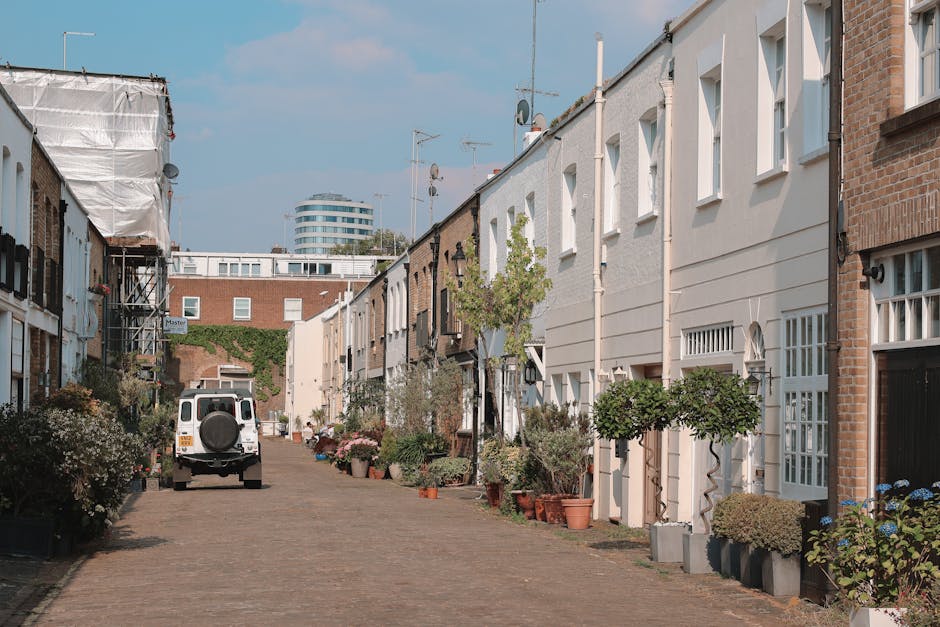
Narrow access changes everything. A move that looks simple on paper can become difficult the moment a long wheelbase van cannot get close enough to the entrance, or when a sofa barely fits around a turn on the staircase. In Islington, that is not unusual. The area has a mix of period conversions, compact flats, basement homes, maisonettes, garden flats, and streets where parking is tight at the best of times. Add in low kerbs, narrow doorframes, shared entrances, and busy local traffic, and you have a move that needs proper planning.
Why does this matter so much? Because the wrong setup can create avoidable delays, extra lifting, damaged furniture, stressed neighbours, and a very long afternoon. Nobody wants to stand in a stairwell at 4:30pm trying to angle a wardrobe through a landing that seems to have shrunk overnight. A good narrow-access removal plan reduces that friction before it starts.
It also matters for safety. Tight spaces make manual handling riskier, especially with heavy items, awkward corners, or fragile pieces. A careful crew will plan the route, choose the right vehicle size, and bring the right moving equipment so they are not improvising under pressure. If you are moving from an older terrace or a compact flat, the practical differences can be huge. For some homes, it is worth reading about house removals in Islington as well as furniture removals if you have bulky items that need special attention.
The big idea is simple: the smaller the access, the more the move depends on preparation rather than brute force.
How Booking Islington removals for narrow access properties Works
The booking process should start with an access conversation, not a postcode. A useful remover will want to know how close the vehicle can park, how many floors are involved, whether there is a lift, and which items are oversized. They may also ask about stair width, entry codes, loading restrictions, and whether the route includes a sharp turn, split-level landing, or basement step. That sounds detailed, but it is exactly what prevents surprises later.
In practice, the process often looks like this:
- Initial assessment. You describe the property, access points, furniture size, and any timing restrictions.
- Vehicle and team planning. The mover decides whether a smaller van, a larger van, or a two-person or multi-person crew is most suitable.
- Parking and loading strategy. The team plans where the vehicle can stop, how long loading might take, and whether repeated trips are needed.
- Protective preparation. Covers, blankets, straps, trolleys, and lifting aids are chosen to suit the route and the items.
- Move day execution. Items are packed out carefully, with the most awkward pieces handled first while everyone is fresh.
That last point is worth underlining. In a narrow-access move, the order of operations matters. If the fridge or sofa is left until the end, you may be fighting fatigue and congestion all at once. Better crews think in terms of sequence, not just transport.
If your move has a rushed timeline, a same-day solution may sometimes help, but only if the access details are clearly communicated. You can also look at man and van services in Islington or man with van options if your move is smaller or requires more flexible handling.
Key Benefits and Practical Advantages
The obvious benefit is that the move gets done. The less obvious benefit is that it gets done with fewer near-misses, fewer delays, and less damage risk. With the right booking approach, narrow-access removals can feel surprisingly controlled. Not easy, exactly. But controlled.
- Better vehicle matching: Smaller or better-suited vans can reach places larger vehicles cannot.
- Less stress on moving day: Clear planning reduces rushed decisions and repeated backtracking.
- Lower damage risk: Careful handling through corners, stairwells, and doorways protects both property and furniture.
- Improved time management: Access details help estimate labour and loading time more accurately.
- Safer lifting: The team can bring the right equipment for awkward turns and heavier items.
There is another practical advantage people sometimes overlook: neighbour relations. In tight Islington streets and shared buildings, a move that is tidy, punctual, and efficient reduces complaints before they begin. That can matter more than people expect, especially where access is shared or parking is sensitive.
For people moving contents rather than the whole property, a targeted service can be useful too. For example, if you only need help moving selected items, removal services in Islington or a suitable removal van may be the right fit instead of a larger, more expensive setup.
Who This Is For and When It Makes Sense
This kind of booking makes sense for anyone whose property access is not straightforward. That includes a lot of Islington residents, truth be told. If you live in a Victorian conversion, a lower-ground flat, a top-floor walk-up, or a home with a narrow shared hallway, you are probably in the right category already.
It is especially useful if you are:
- moving from a flat with a tight stairwell or no lift
- relocating from a property on a busy road with limited stopping space
- moving bulky furniture through narrow internal routes
- handling fragile items that need extra care in confined spaces
- moving on a weekday or peak time when access windows are limited
- trying to keep disruption low in a shared building
Students and first-time renters often discover narrow-access problems on moving day, usually after the boxes are already piled by the front door. If that sounds familiar, a look at student removals in Islington can help shape a simpler approach. For people upsizing or downsizing locally, the decision may sit between a lighter move and a more comprehensive house removals service.
Sometimes the answer is not "do I need removals?" but "what type of removals suit this building?" That is a better question, honestly.
Step-by-Step Guidance
Here is a practical way to book and prepare a narrow-access move without turning it into a drama.
- Measure the awkward bits. Check stair width, doorway clearance, hallway turns, ceiling height on landings, and any low overhangs near the entrance.
- Identify the largest items. Sofas, wardrobes, mattresses, beds, desks, and appliances are usually the bottlenecks.
- Photograph the route. A few honest phone pictures can save a lot of guesswork. Include the entrance, stairs, external steps, and any parking space.
- Explain parking realities. Say whether a van can stop outside, whether the street is narrow, and whether there are restrictions or controlled zones.
- Ask about access planning. A good mover will talk through the route, team size, vehicle choice, and likely loading time.
- Book packing supplies early. If you need sturdy boxes, tape, mattress covers, or wraps, order them in advance. It sounds obvious, but it saves last-minute panic.
- Prepare the property. Clear hallways, remove loose rugs, protect corners if needed, and make sure keys, codes, and lift access are ready.
- Group awkward items together. Keep long, heavy, or fragile pieces separate so they can be loaded in a sensible sequence.
If you are still arranging the packing side, packing and boxes in Islington and package and boxes support can reduce the amount of improvisation later. The move usually goes better when the packing is boringly organised. Boring is good here.
One more thing: if you suspect access may be very restricted, tell the mover before the quote is finalised. It is much easier to plan now than to renegotiate while everyone is standing in a hallway at midday.
Expert Tips for Better Results
Here is where experience really pays off. Narrow-access removals are won in the small details.
- Choose the right vehicle size. Bigger is not always better. A slightly smaller van can save a lot of wasted shuttling if it can actually reach the entrance.
- Keep the route clear. One child's scooter, one hall table, one shoe rack - that little clutter can become a real obstacle.
- Load the awkward item first. If a wardrobe needs a specific angle or a sofa takes three people and a prayer, get it done while the team is fresh.
- Protect edges and corners. Hallway scuffs are one of the most common annoyances in narrow buildings.
- Use a realistic time window. Rushed bookings make narrow access harder, not easier.
- Consider storage if the property is not ready. A short gap between move-out and move-in can remove pressure from the day itself.
A good local provider should also be comfortable talking honestly about limits. If access is exceptionally tight, they may suggest smaller loads, extra manpower, or alternative timing. That is a sign of judgement, not weakness. You want that. You really do.
For larger or mixed moves, it can also help to understand the wider service options, including removals in Islington, man with a van services, and storage options if the move needs a staged approach.
Common Mistakes to Avoid
The biggest mistake is assuming narrow access is only a minor inconvenience. It is not. It affects timing, labour, vehicle choice, safety, and sometimes even whether a large item can be moved in one piece.
- Underestimating the staircase: A bend halfway up can be more difficult than a long flight.
- Not measuring furniture: A sofa may fit in the room it came from, but not necessarily back out again the same way.
- Forgetting parking constraints: If the van cannot stop close by, loading times climb quickly.
- Leaving packing too late: Last-minute boxes tend to be weak, unlabelled, and awkward to stack.
- Skipping the access briefing: The mover should not learn about the basement steps when they arrive.
- Ignoring building rules: Shared entrances, lift bookings, and move windows can catch people out.
One small, slightly silly but very real mistake: people often measure the sofa and forget the turn into the hallway. The sofa is not the problem. The corner is. It sounds trivial until you are physically stuck there, which is not a fun moment for anyone.
For anyone comparing quotes, it also helps to understand what is included and what is not. Hidden extras can creep in when access is tight, especially if the booking was done too quickly. A useful read is this guide to hidden costs in removals quotes.
Tools, Resources and Recommendations
For a narrow-access move, the right tools matter more than the flashy ones. In normal terms, you are looking for practical moving kit that reduces strain and protects the property.
- Furniture blankets and wraps: useful for protecting corners, mirrors, and polished surfaces
- Straps and securing gear: important for keeping items stable in transit
- Trolleys and dollies: helpful where steps and flat flooring allow
- Protective covers: useful for mattresses and soft furnishings
- Strong boxes and tape: the basics still matter most
- Simple floor protection: especially valuable in shared hallways or older buildings
Resource-wise, the most useful pages are often the plain, practical ones. If you want to understand the company before booking, start with about the team and then check pricing and quotes so you know what kind of information the booking process will ask for. If you are nervous about trust or security, the pages on insurance and safety and payment and security are worth a look too.
And yes, if you are one of those people who likes to read the small print before agreeing to anything, that is sensible, not fussy. Honestly, it is smart.
Law, Compliance, Standards, or Best Practice
For removals involving narrow access, the key concerns are usually safe manual handling, sensible vehicle positioning, and building rules rather than anything dramatic. In the UK, removal work should follow standard health and safety practice: assess the route, reduce avoidable lifting risk, and make sure equipment is used appropriately for the task.
On the property side, many buildings and landlords will have their own rules about move times, lift use, floor protection, and parking. If you live in a managed block or a converted property with shared common areas, it is wise to check these before moving day. That may feel like admin, but it prevents friction with neighbours and building managers.
Best practice also means clear communication. A mover should not have to guess whether a wardrobe fits round the stair bend or whether the van can legally stop outside. If anything is uncertain, say so early. Better to over-explain than under-explain, every time.
Policies matter too. If you are choosing a provider, it is reasonable to review their health and safety policy, any published terms and conditions, and the route they offer for issues via the complaints procedure. That is not overthinking it. That is due diligence.
Options, Methods, or Comparison Table
Not every narrow-access move needs the same setup. The right choice depends on the size of the property, the amount of furniture, and how hard it is to reach the entrance.
| Option | Best for | Strengths | Watch-outs |
|---|---|---|---|
| Man and van | Small flats, few items, flexible timings | Agile, often easier for tight streets, good for short local moves | May need more trips if the load is larger than expected |
| Dedicated removal van | Medium moves with furniture and boxes | More organised loading, better for structured moves | Requires good access planning and parking awareness |
| Full removal service | Larger homes, multiple rooms, heavier items | More support, better for complex routes and bulky furniture | Can be more than you need for a tiny move |
| Storage-led move | When access or timing is split between dates | Reduces pressure if keys, repairs, or completion dates shift | Needs extra coordination and may involve a second handling stage |
For many Islington homes, a smaller, more nimble setup works better than a large rigid operation. That is especially true where the street is tight, the entrance is awkward, or the property is up a long flight of stairs. If you are comparing service styles, the pages for man with a van, removal companies, and removal van hire in Islington can help you judge the fit.
Case Study or Real-World Example
Imagine a two-bedroom flat in Islington with a narrow stairwell, a shared front entrance, and parking that is only possible a short distance from the door. The move includes a sofa, bed frames, boxed kitchenware, and a heavy bookcase. On paper, it looks manageable. In reality, the stairwell has a tight turn halfway up and the lift is too small for larger furniture.
A well-planned move here would start with photos, item measurements, and a frank discussion about what can be carried by hand and what might need disassembly. The mover might suggest a smaller vehicle closer to the property, a two-person crew for the lifting, and a loading sequence that gets the awkward pieces out before the corridor fills with boxes. The bookcase comes out first. Then the sofa. The boxes can follow in a calmer rhythm.
What makes the difference is not speed alone. It is the order of things. When a move like this is handled properly, the whole day feels steadier. Less shouting, fewer pauses, no frantic repositioning in the doorway. By late afternoon, you are usually just glad it is over and you can hear the kettle starting to boil again.
If a move involves a shorter timeline or sudden date change, a more flexible option such as same day removals in Islington may be worth considering, provided the access details are clear and realistic.
Practical Checklist
Use this before you book and again the day before the move.
- Measure stair width, doorways, and any tight corners
- List the largest and heaviest items separately
- Take photos of the entrance, hallway, stairs, and parking area
- Confirm any lift booking or access window with the building
- Check parking restrictions and stopping space near the property
- Ask the mover how they handle awkward access and bulky furniture
- Make sure boxes are sealed, labelled, and not overfilled
- Disassemble items that will clearly travel better in pieces
- Protect floors, corners, and vulnerable surfaces where needed
- Keep keys, codes, and contact details ready on move day
If you are in the early stages of planning, it can also help to think about location and lifestyle context. Islington homes are varied, and local expectations around access can differ from street to street. A bit of background reading can help, such as whether Islington is a good living choice or the more local view in this guide to the authentic side of Islington.
Conclusion
Booking Islington removals for narrow access properties is really about reducing uncertainty. The more awkward the entrance, stairs, or parking, the more value you get from clear measurements, honest communication, and a mover who understands tight spaces before they arrive. That is the whole game.
When you choose the right vehicle, the right crew size, and the right loading plan, even a tricky flat or a compact terrace can move with far less stress than you might expect. It may never be glamorous. Moving rarely is. But it can be organised, safe, and much calmer than the worst-case version playing in your head at 11pm the night before.
Get a free quote today and see how much you can save.
And if you want to speak to a team that understands the practical realities of Islington access, get in touch here when you are ready. A careful move is a better move, and a better move makes the whole week feel lighter.